Indie Maker Weekly (Issue 165): AI-powered video management: $38,000/month
AI-powered video management: $38,000/month
Curated indie hacking and product monetization stories, published weekly.
Contents
1、Thumbwise earns $464 in first 10 days2、Gamified Lives: From zero ads to paid acquisition for habit tracking3、Glitter AI: $18,200 MRR after 2.5 years of indie development4、AI video management: $38,000/month with zero equipment5、Bundle.ink: Cross-platform reading + AI flashcards for anti-forgetting6、Synara Remote: First MRR after 7 months of open-source development7、Skyfall AI launches Steve: An AI CEO managing 3 digital businesses8、TrendShift: AI trend intelligence platform launches9、sure: Open-source personal finance app — local-first, privacy-first10、dsh-media-desk: Open-source media asset desktop manager
1、Thumbwise earns $464 in first 10 days
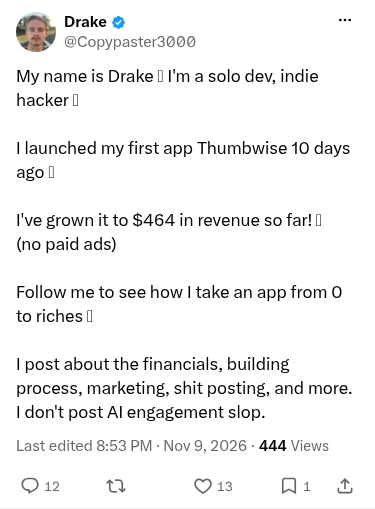
@Copypaster3000 · 2026/11/09
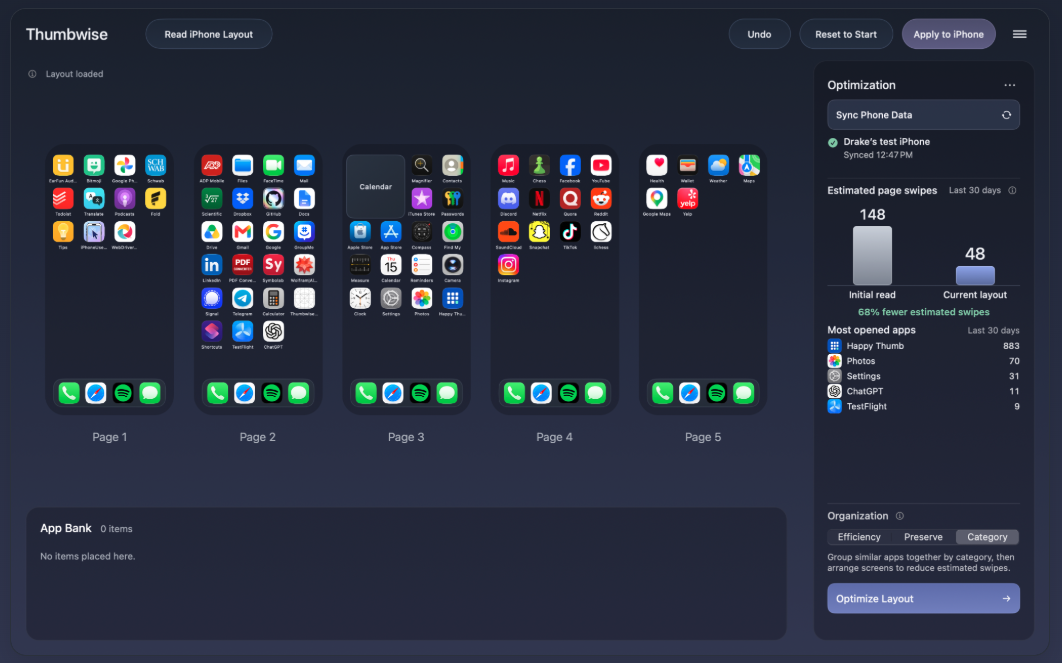
Product: Thumbwise is a Mac app for organizing your iPhone home screen. Drag apps, folders, and widgets on your Mac to rearrange your iPhone layout — idle apps can be stashed in an 'App Bank' and synced with one click. AI assistant also auto-organizes by color or other rules.
Logic: It moves home-screen organization from the small iPhone screen to the larger Mac display, solving the friction of manual icon shuffling and accidental layout disruption. It estimates page-swipe frequency from the past 30 days, then exposes that data via MCP to AI assistants — blending precise manual control with data-driven optimization.
Business: $464 revenue in 10 days, zero paid ads. Free download; $14.99 one-time purchase (no subscription); license covers up to 3 personal Macs.
Worth noting: The value proposition is razor-sharp — 'Organize your iPhone home screen from your Mac.' User feedback highlights cleaner layouts, faster workflows, and responsive support. Early adopters even said they'd happily pay $15 — confirming clear willingness-to-pay for this niche pain point.
View original post (@Copypaster3000 · 2026/11/09)
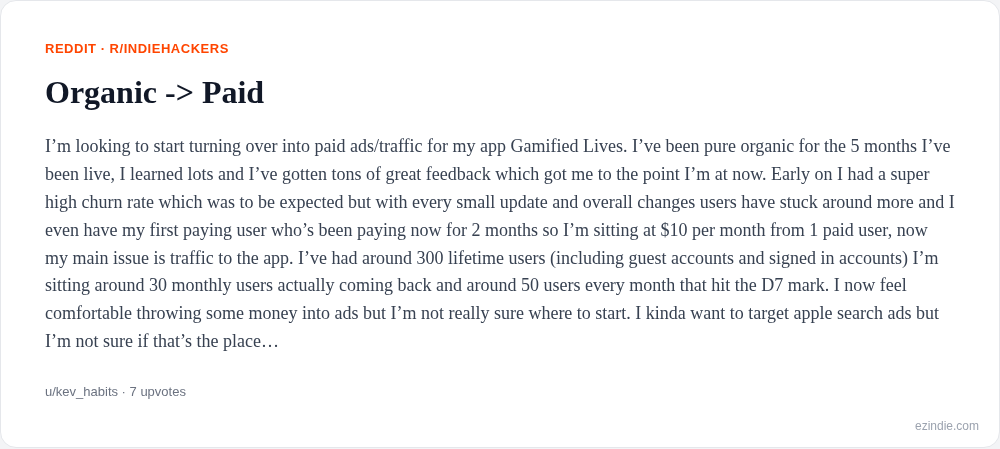
2、Gamified Lives: From zero ads to paid acquisition for habit tracking
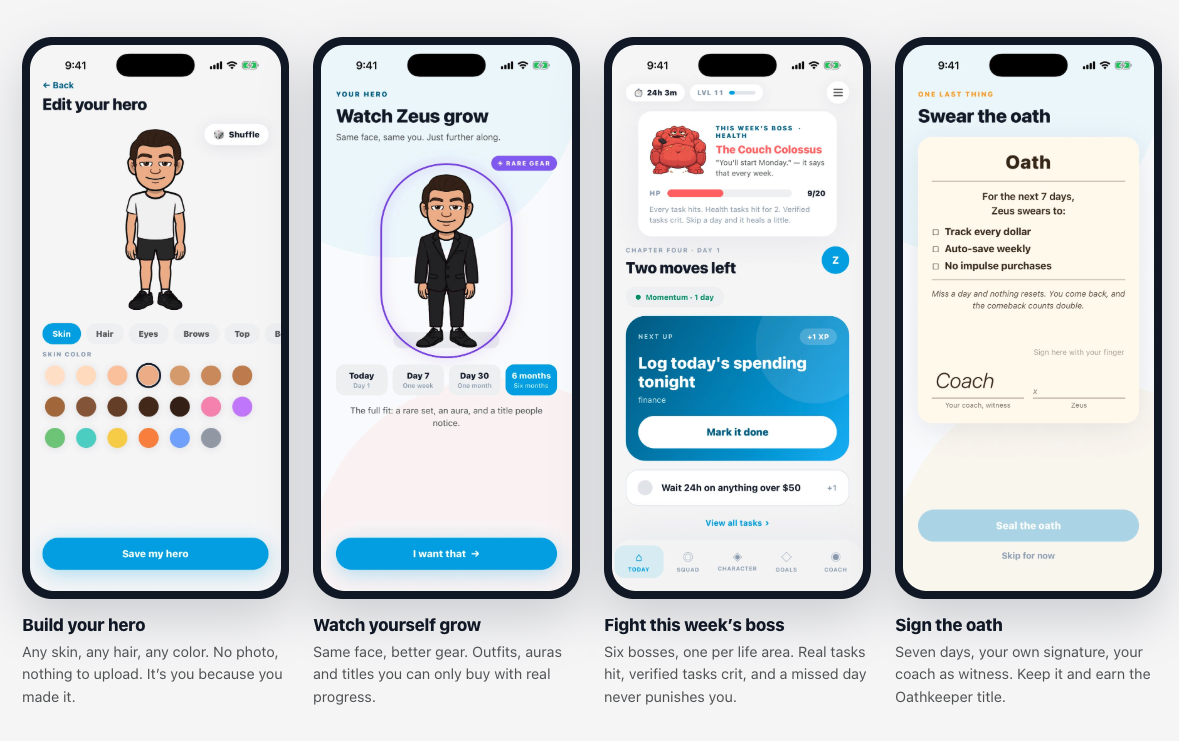
Product: Gamified Lives is an iOS habit-building and self-improvement app. Goals like health, sleep, finance, mental wellness, growth, and sobriety recovery are turned into quests, XP, and levels. Its key differentiator: no penalty for missed days — return within 24 hours to earn double XP, and get AI coaching via text, voice, and weekly reports.
Business: Launched 5 months ago, it gained ~300 total users organically. Current metrics: ~30 monthly active users, ~50 users reaching D7 retention. First paying user signed up and renewed for 2 months — ~$10/month revenue.
Logic: Low early retention was expected during iteration. As UX and features improved, retention and willingness-to-pay increased — so the founder now believes it’s ready for small-scale paid tests.
Worth noting: Organic traction proves product-market fit for early users and feedback loops — but scaling spend before validating paid-user fit is premature. Prioritize testing whether each channel delivers users aligned with the app’s high-retention, long-term coaching value — then scale.
3、Glitter AI: $18,200 MRR after 2.5 years of indie development
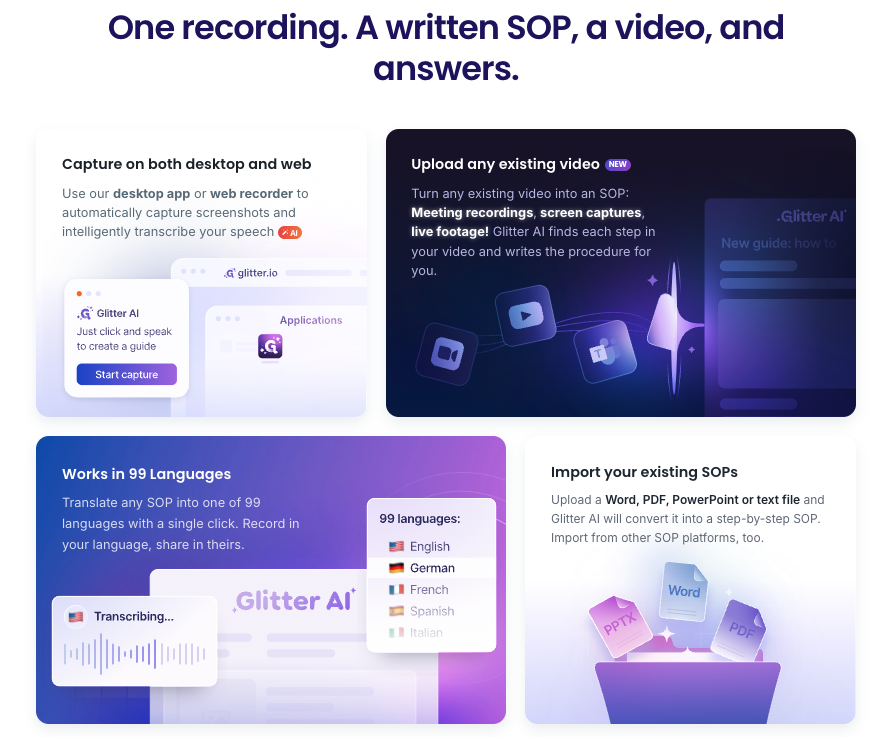
Product: Glitter AI is an AI SOP (Standard Operating Procedure) tool. Record screen, voice, or actions to auto-generate SOPs, training docs, and workflow guides — ideal for onboarding, IT support, customer service, compliance, and process documentation. Differentiators include free viewer seats, AI voiceovers, and AI avatars.
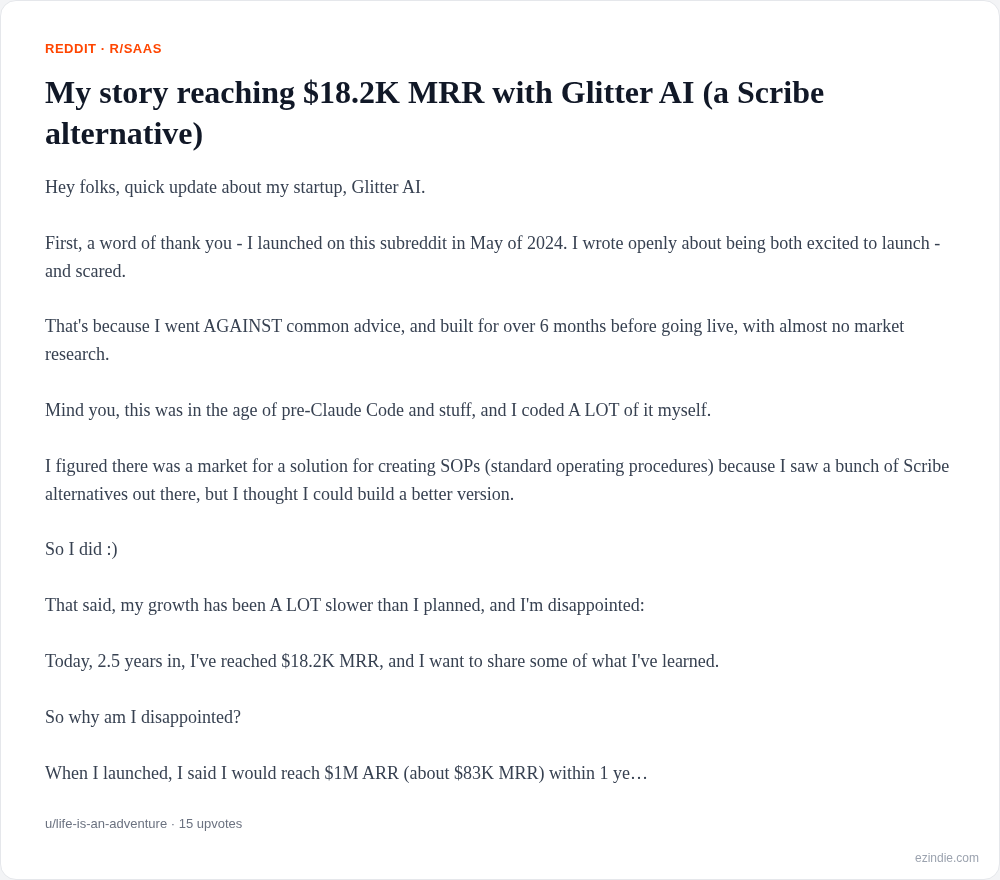
Data: Built solo in ~6 months; reached $18,200 MRR after 2.5 years — still far from its Year 1 goal of $1M ARR.
Logic: Initially positioned as a 'Scribe alternative', it lacked a defined user persona and clear acquisition strategy. The gap wasn’t just feature depth — it was misalignment across positioning, pricing, and acquisition model.
Insight: Growth for small teams hinges not on adding features, but on nailing three pillars in parallel: tight vertical positioning, unit economics, and scalable acquisition. This post’s real value lies in showing how to pivot — repositioning and repricing — when you’ve built something valuable but lack a commercial loop.
4、AI video management: $38,000/month with zero equipment
@shmidtqq · 2026/11/08
A textbook 'AI-native service' startup: packaging large-model capabilities into a high-perception-value, low-delivery-barrier microservice — precisely targeting landlords’ visual-content anxiety. Its cold-start playbook (free sample → instant conversion) and minimal tech stack are highly replicable for Chinese indie makers.

View original post (@shmidtqq · 2026/11/08)
5、Bundle.ink: Cross-platform reading + AI flashcards for anti-forgetting
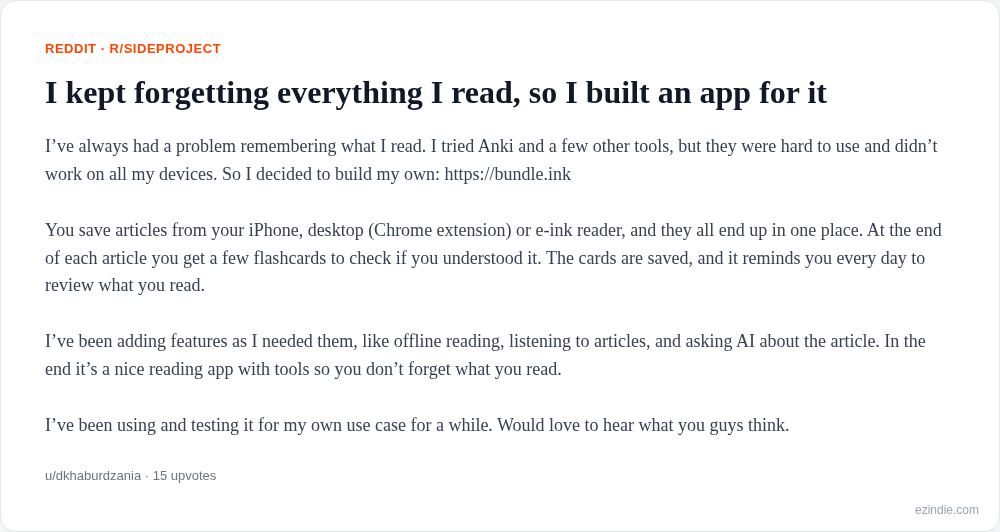
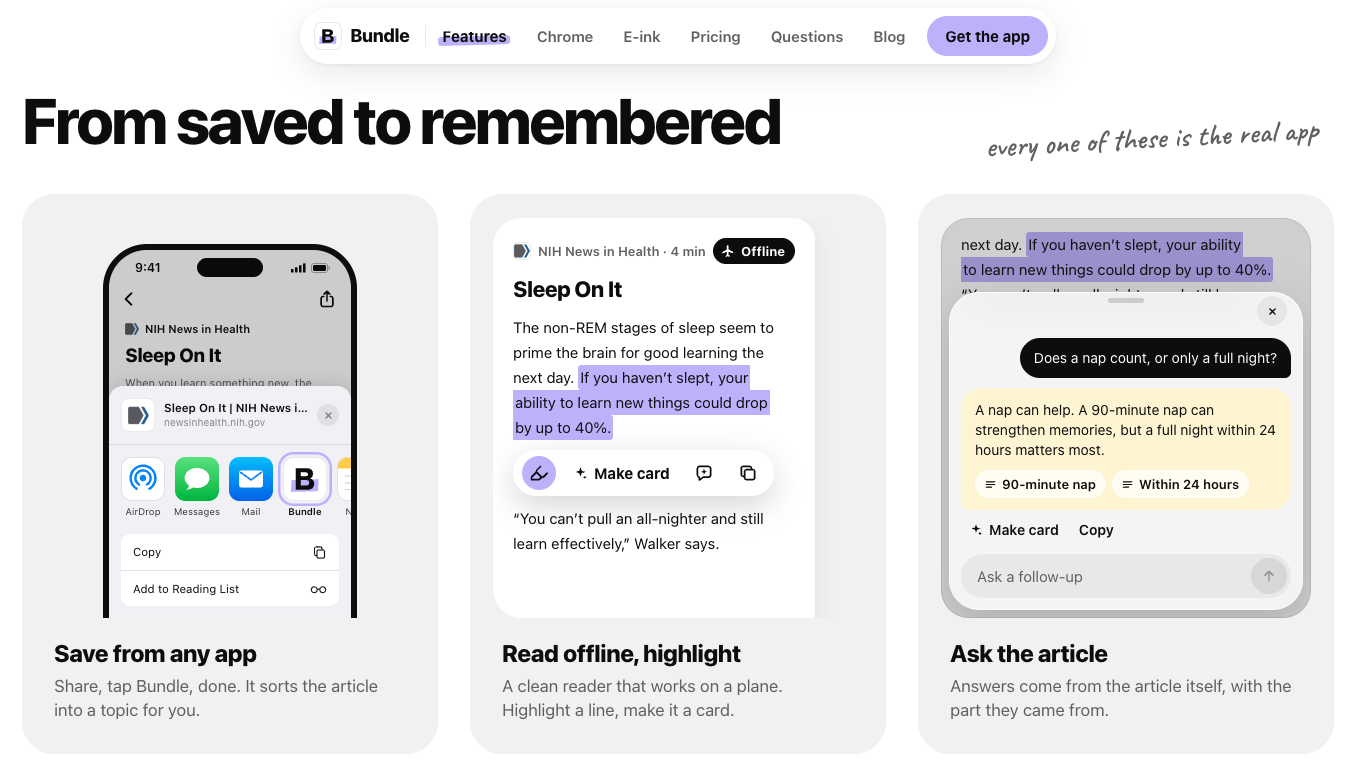
Product: Bundle.ink is a 'read-and-remember' read-later & learning app. Save articles from iPhone, Chrome extension, or e-ink devices — automatically grouped by topic. After reading, get AI summaries, context-aware Q&A, and auto-generated or manually curated flashcards.
Logic: It goes beyond saving — filling the knowledge-consolidation gap missing in most read-later tools: save → clean reading → quick comprehension check → memory cards → spaced repetition. If you forget, the system extends review intervals — reducing long-term churn.
Highlights: Multi-device collection, offline reading, highlighting, TTS, article-based Q&A, and flashcard reviews baked into the reading flow — closing the 'input → understand → remember' loop.
Business insight: Similar tools can evolve from simple bookmarkers into personal knowledge managers. Use AI to slash curation and card-creation effort — and differentiate on the promise: 'Truly remember what you read.' Value depends on article processing quality, review UX, and cross-device sync — best suited for proactive learners and heavy readers.
6、Synara Remote: First MRR after 7 months of open-source development
@emanueledpt · 2026/11/10
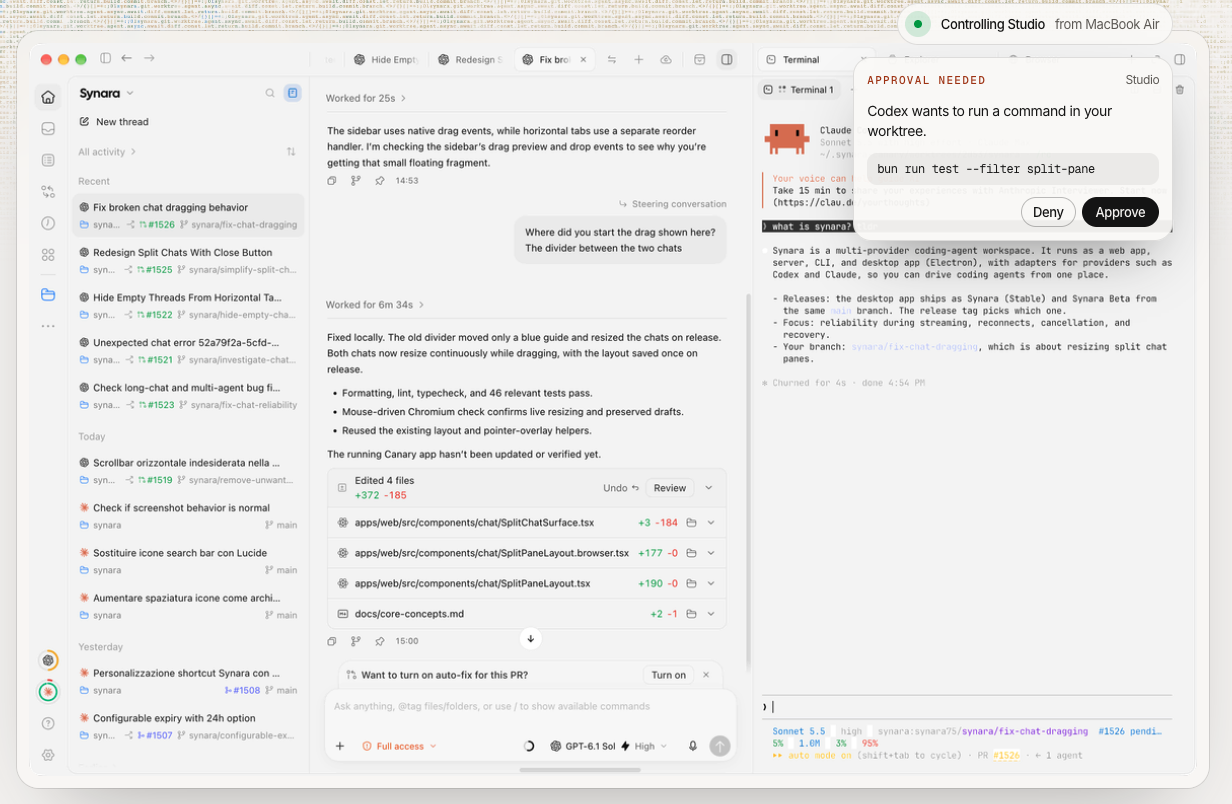
Product: Synara is an open-source AI coding workbench supporting Claude Code, Codex, Cursor, OpenCode, and more — running multiple coding agents in parallel. Each task gets its own Git worktree, branch, terminal, and browser environment — enabling code edits, tests, previews, and PR creation. The Alto edition adds cross-computer remote connection and control.
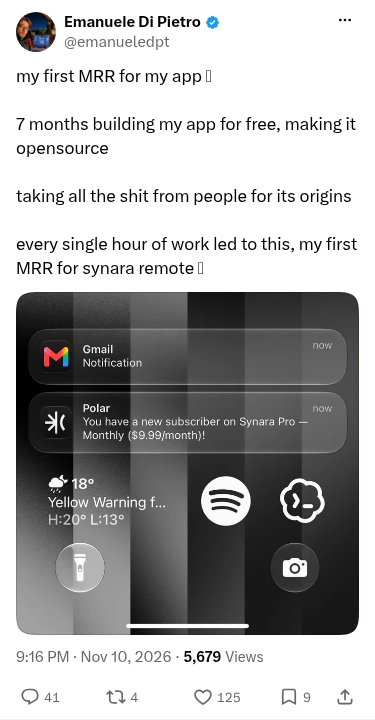
Logic: The creator built and open-sourced it for 7 months, using it daily to build credibility and gather real-world feedback. ~25,400 downloads to date. Open source lowered the trial barrier; advanced features like remote access and agent orchestration created natural upgrade paths — leading to its first MRR.
Reference: AI coding tools are shifting from 'single-agent chat' to 'multi-agent task orchestration.' Value comes not just from models — but from engineering layers: task isolation, context handoff, code review, and remote collaboration. Indie devs can bootstrap trust and scale via open source — then monetize on high-frequency needs like cross-device workflows or team coordination.
View original post (@emanueledpt · 2026/11/10)
7、Skyfall AI launches Steve: An AI CEO managing 3 digital businesses
@Parsats_eth · 2026/11/09
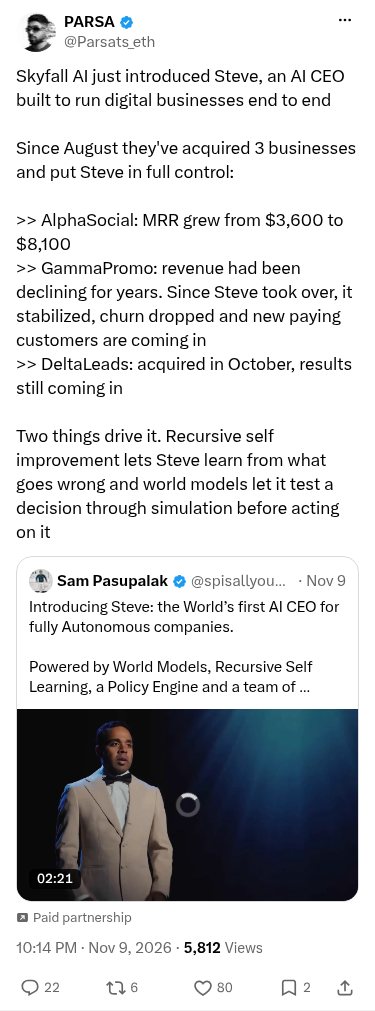
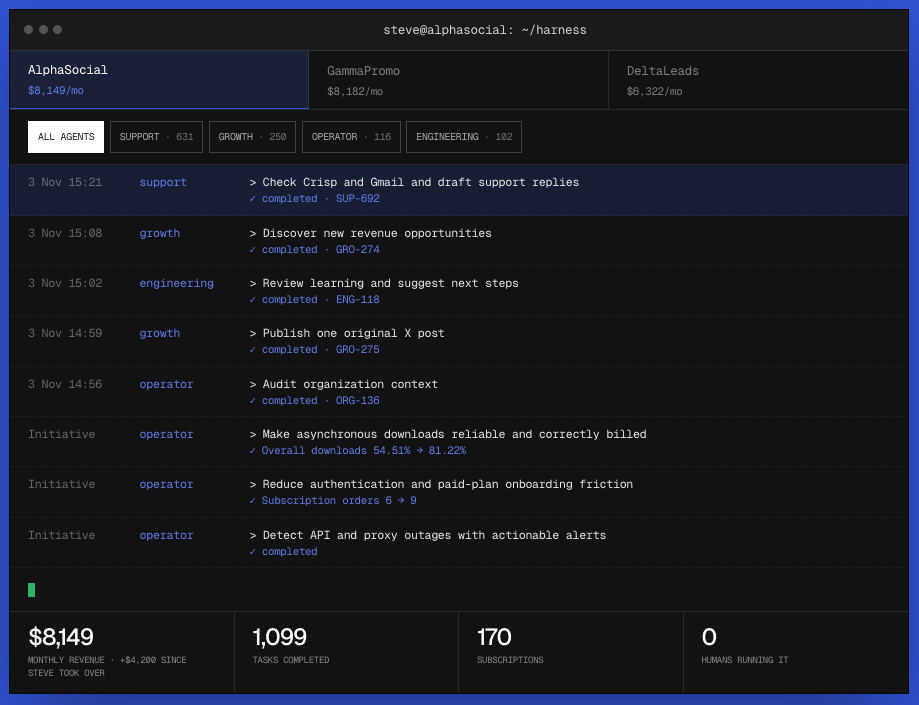
Product: Skyfall AI’s 'Steve' is positioned as an end-to-end 'AI CEO' for digital businesses — not just advising, but making and executing operational decisions, then adapting based on outcomes.
Logic: Steve runs on two core capabilities: recursive self-improvement (learning from mistakes), and world-model simulation (testing decisions virtually before acting).
Case study: Since August, Skyfall has acquired and handed over 3 companies to Steve. AlphaSocial’s MRR rose from $3,600 to $8,100 (+125%). GammaPromo halted multi-year decline, reduced churn, and added new paying customers. DeltaLeads — acquired in October — results are pending.
Reference: The innovation isn’t just another AI tool — it’s a 'buy business + deploy AI operator' model. The critical question: Can AI truly close the operational loop — and prove ROI via hard metrics like revenue, retention, and LTV?
View original post (@Parsats_eth · 2026/11/09)
8、TrendShift: AI trend intelligence platform launches
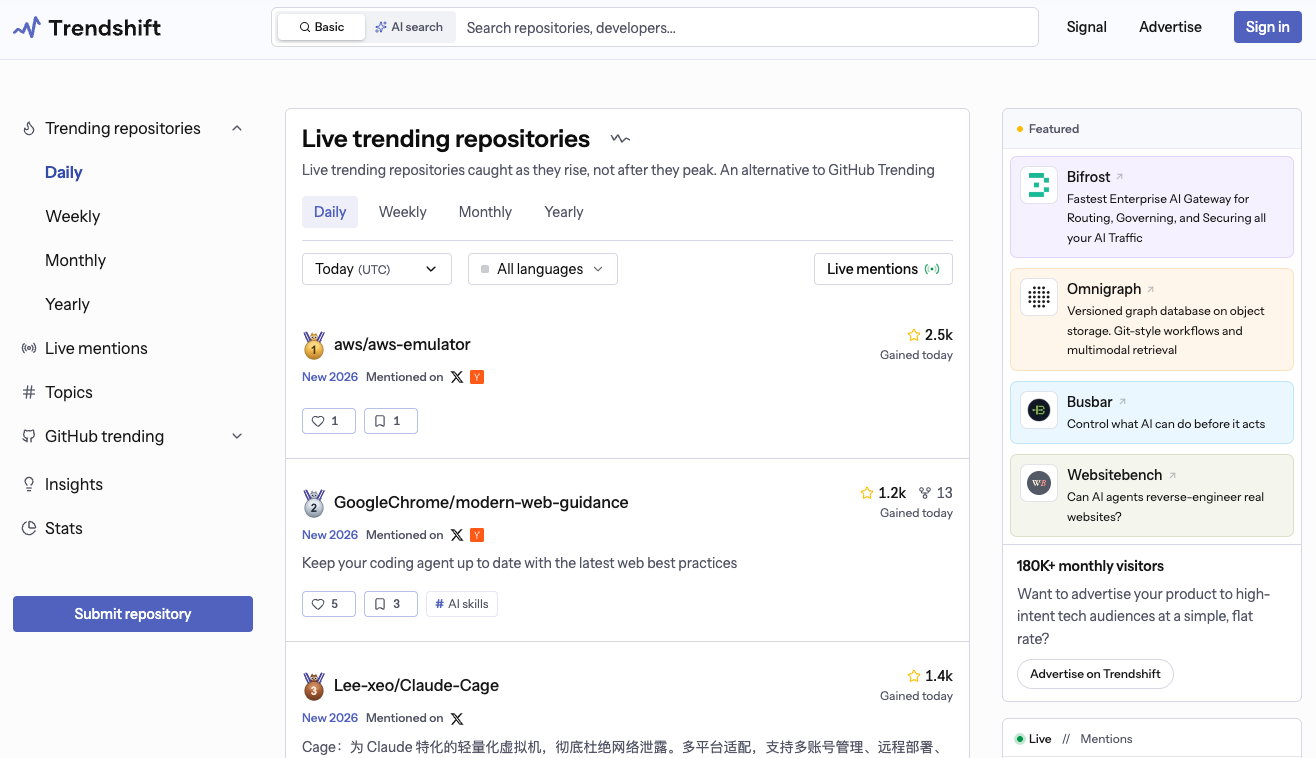
Monetizes via Google Ads on-site, paid API access, and on-site ad placements. SEO growth is strong. The site offers modest functionality — but combining several utilities into one cohesive, ever-updating platform creates sustainable automation and monetization potential.
9、sure: Open-source personal finance app — local-first, privacy-first
we-promise/sure
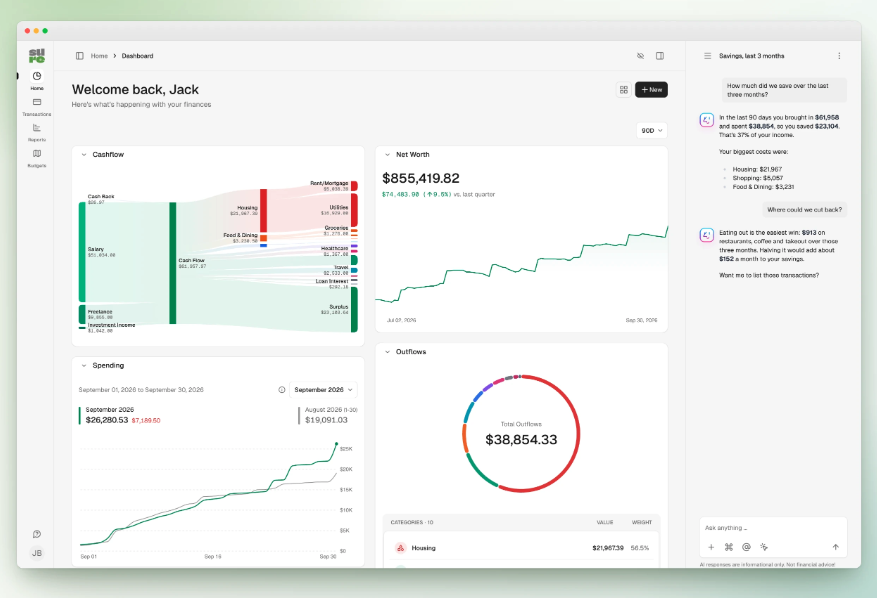
Aligns strongly with Chinese indie developers’ demand for privacy and control. Uses pragmatic tech (Rust/Tauri/WASM), and explicitly avoids uploading financial data to the cloud — a rare stance amid widespread cloud-based accounting apps in China.
10、dsh-media-desk: Open-source media asset desktop manager
Five tabs: Inspiration · Content · Scheduling · Retrospective · Style. UI supports both Chinese and English — defaults to DeepSeek Harness language setting. Web version works on mobile browsers too.
Supports Xiaohongshu, Douyin, Bilibili, WeChat Official Accounts — plus TikTok, Instagram, YouTube, and X. Ready for global content publishing.